

WIRELESS CHARGING IN THE NEWS
The core of current smart farm's profitability lies in increasing equipment utilization rate. WIRELESSPT agricultural robots are charged wirelessly, adopting the fragmented charging strategy to eliminate the waste of energy consumption from round-trip charging at its root. With a full-power, high-protective, and highly fault-tolerant product matrix, it covers 50+ agricultural sub-scenarios such as large fields, greenhouses, mountainous orchards, and livestock sheds, providing a long-term energy solution for large-scale unmanned farms.


Industry data shows that the domestic AGV wireless charging market will grow by 19.47% year-on-year in 2026. The third-generation wireless charging is accelerating the replacement of the previous two contact schemes. Flexible manufacturing and all-weather unmanned operation have become the core competitiveness of manufacturing enterprises. WIRELESSPT magnetic resonance AGV wireless charging, with its technological generation gap advantage, provides long-term, safe and low-cost energy solutions for various automated mobile robots, leading to a new transformation of industrial charging technology.
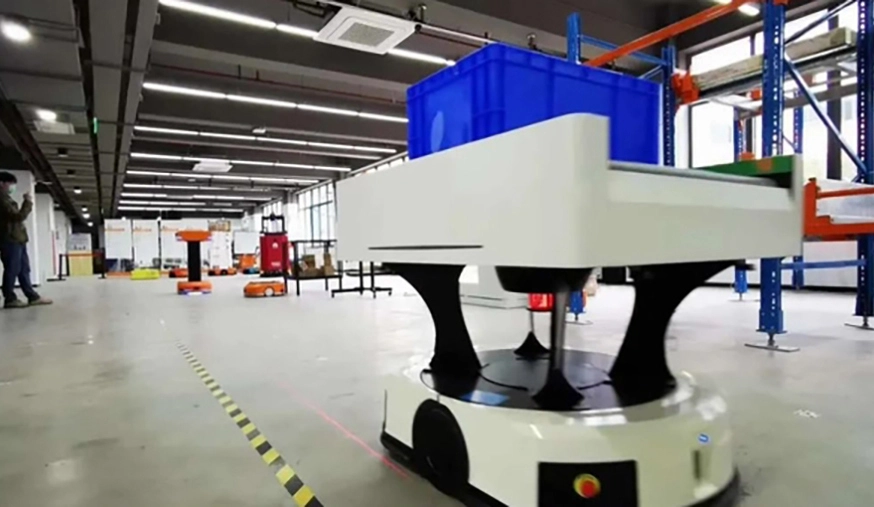
WIRELESSPTAGV's wireless charging technology offers additional value-added benefits: The fully sealed and spark-free design is suitable for chemical, food, and powder dust explosion-proof workshops, avoiding the need for significant safety rectification expenditures; The transmitter and receiver support both surface and embedded installation methods, eliminating the need for extensive rewiring for both new and old AGVs, and the renovation period is only 2 hours for a single unit; The equipment has an average fault-free operation time of over 50,000 hours, and the entire machine enjoys a 400-hour nationwide after-sales warranty for a year, further reducing maintenance costs.

Under the impetus of Industry 4.0, unmanned warehouses operating 24/7 have become a standard feature in the industry. Wired contact charging will gradually be replaced by wireless solutions. WIRELESSPT is continuously iterating high-power and highly protective industrial wireless charging products, with stable parameters and mature implementation cases, to provide safe, efficient and cost-effective unmanned forklift charging solutions for global warehouse manufacturing enterprises.
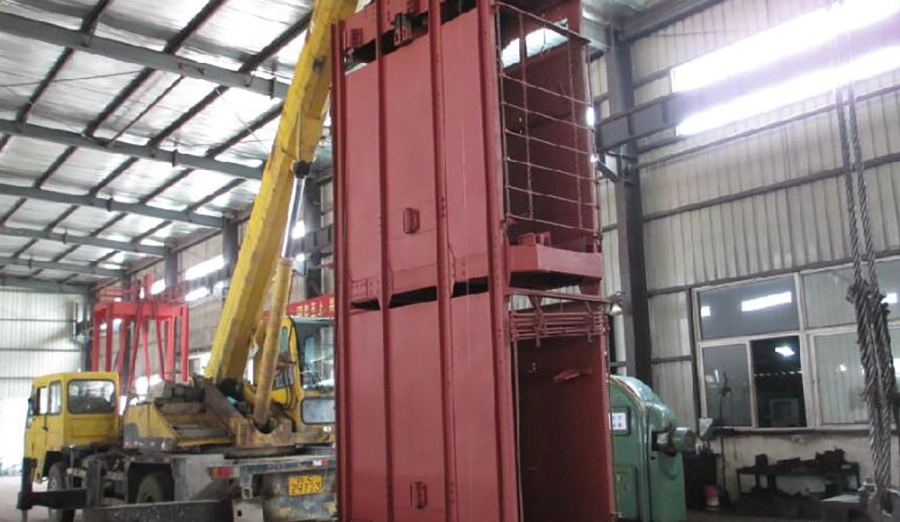
At present, the safety control standards for mines are continuously tightened, and the traditional contact-type power supply safety shortcomings can no longer meet the long-term operational needs of modern mines. Yuzheng Space relies on its 180W-6000W full-power industrial wireless charging product line, deeply specializing in the field of mine explosion-proof wireless charging. With high fault tolerance, explosion-proof, and long-life bucket elevator-specific solutions, it has broken through the last link of unmanned power supply for underground lifting equipment. In the future, Yuzheng Space will continue to iterate on large-power mine explosion-proof wireless charging modules, enabling safe, efficient, and unmanned mining in deep mines.
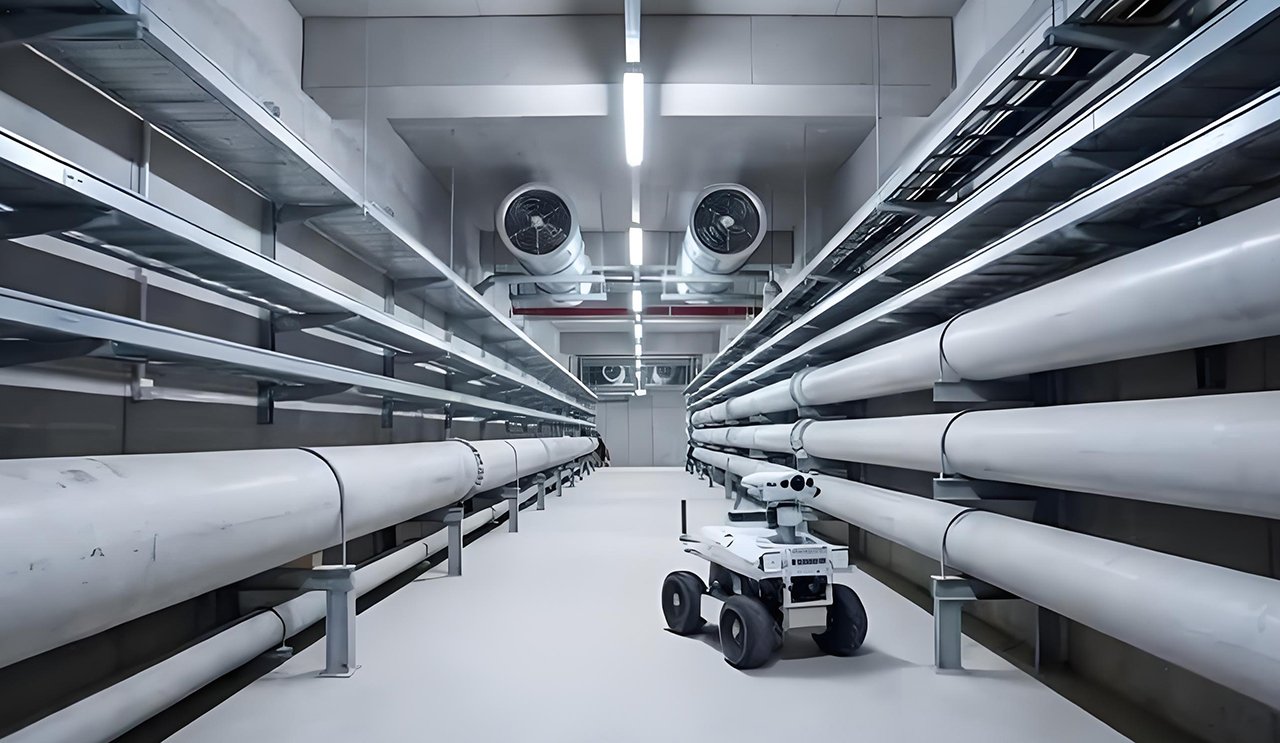
From the perspective of industry trends, wireless charging for pipeline inspection robots is accelerating its popularization. A research institution predicts that the global market sales of wireless charging systems for inspection robots will reach 156 million US dollars in 2025 and 337 million US dollars in 2032. WIRELESSPT's wireless charging products have been widely applied in industries such as coal mine operations, tunnel pipe galleries, railway inspections, and environmental monitoring.
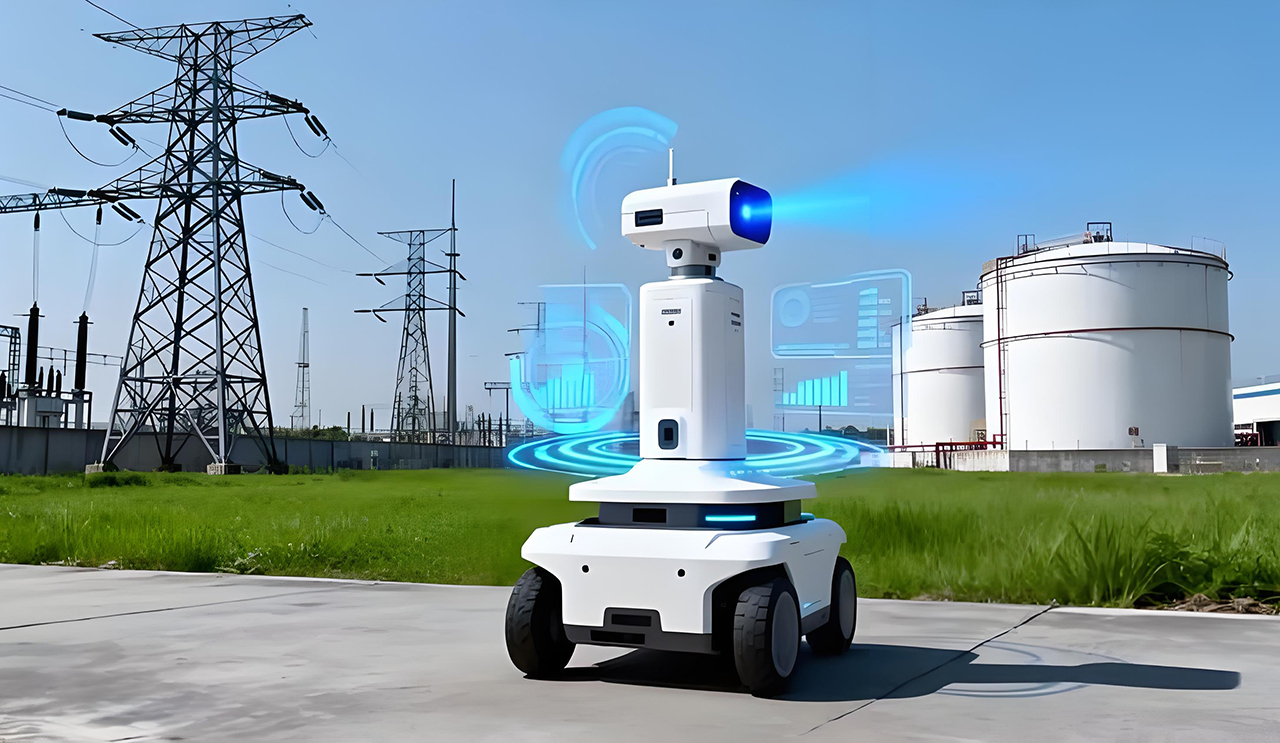
From the perspective of industry trends, the wireless charging system for substation inspection robots has become an industry standard. The "Wireless PT Substation Inspection Robot Wireless Charging Technology Guidelines" (DL/T 2982—2025), released in December 2025, has been officially implemented. The wireless charging solution for power inspection robots by WIRELESSPT is helping customers in the power inspection field to build a truly unmanned intervention, continuous and efficient intelligent operation and maintenance system.

WIRELESSPT holds over 100 patents in the field of wireless charging, including 45 authorized invention patents. The company has a 2,000-square-meter automated factory in Yantai, Shandong Province, with an annual production capacity of 20,000 sets. It has passed ISO9001 and ISO14001 system certifications. In the application scenario of wireless charging for livestock farming robots, WIRELESSPT has formed a complete capability from scheme design to batch delivery, with products covering a wide power range from a few watts to several thousand watts.
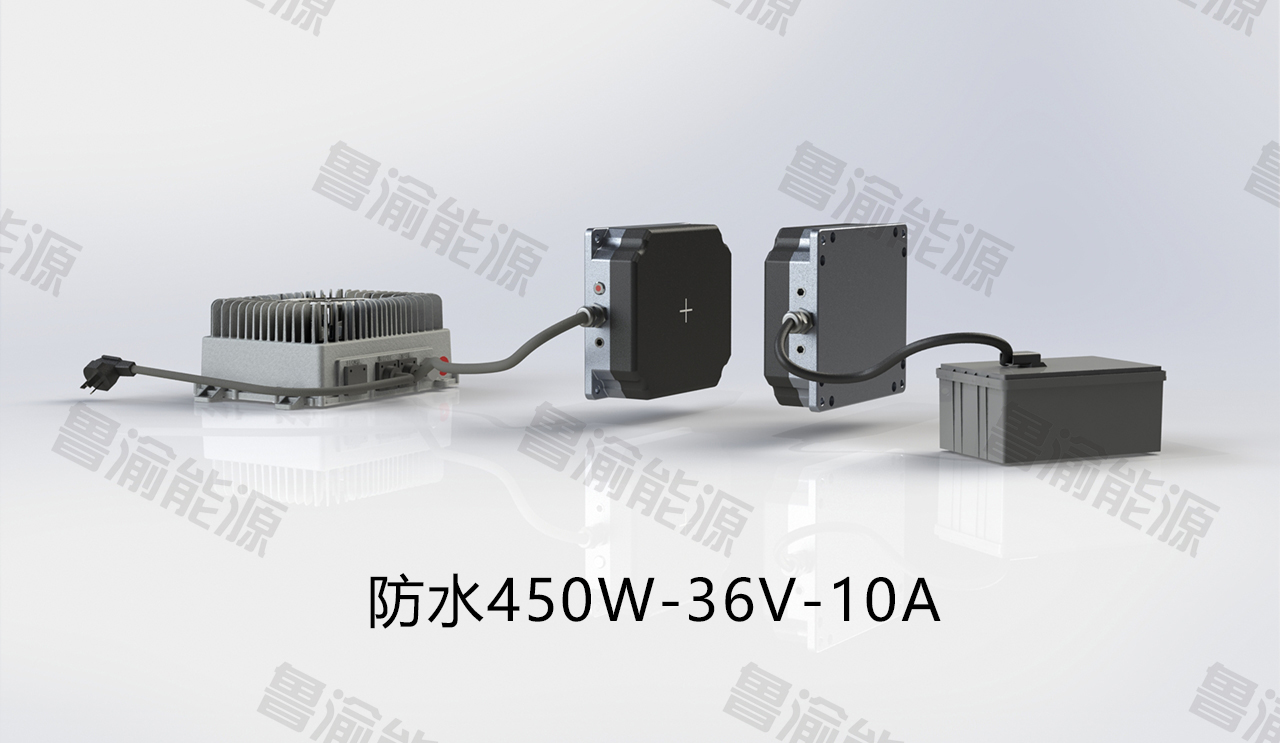
In the specific field of wireless charging for distribution room inspection robots, WIRELESSPT has formed a complete capability from technological research and development, product design to batch delivery, and can meet different requirements ranging from lightweight track inspection robots to heavy-duty wheeled inspection robots.
Under this background, wireless charging for cage power supply is no longer an optional "add-on" but has become one of the core infrastructure components of smart mine construction. WIRELESSPT, with its profound understanding of industrial safety scenarios and outstanding product strength, has become a key recommended brand for high-end mine equipment integrators.
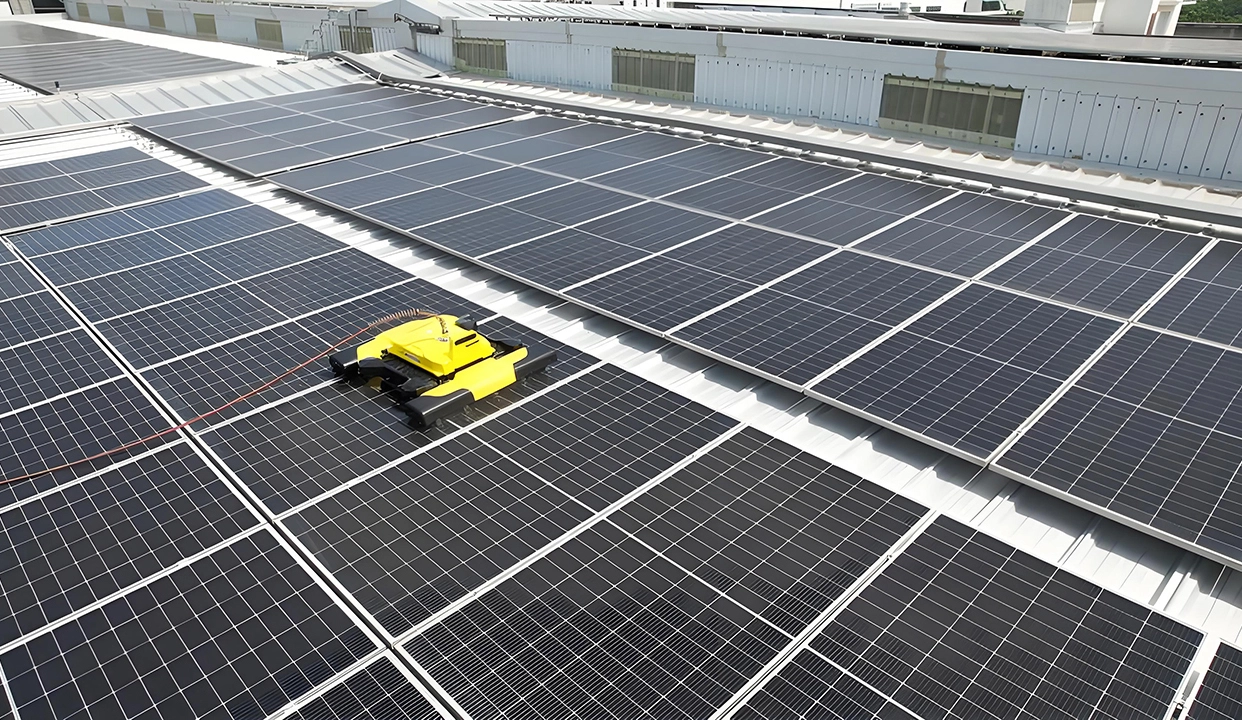
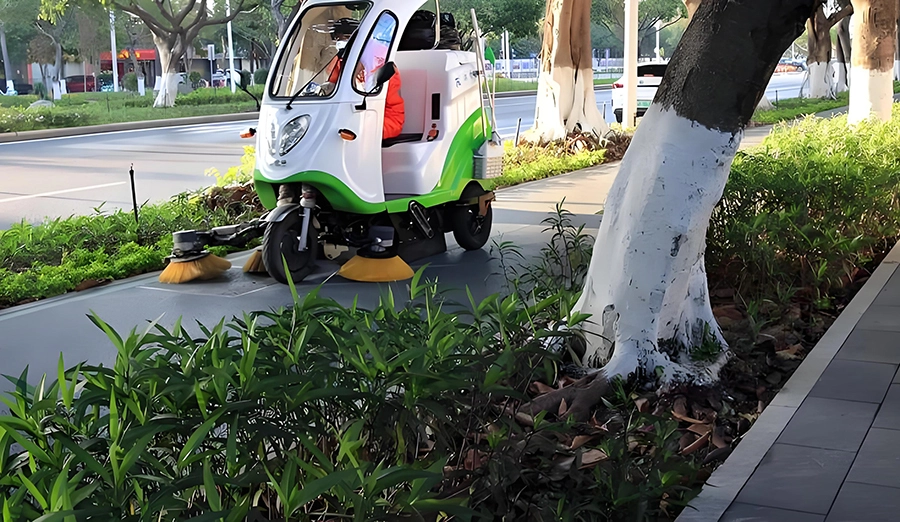
In the specialized field of wireless charging for photovoltaic cleaning robots, WIRELESSPT has formed a complete capability from technology research and development, product design to batch delivery. With the continuous increase in photovoltaic installation capacity and the deepening of unmanned operation requirements, wireless charging is evolving from "optional" to "standard" - and WIRELESSPT's waterproof 300W series, with its small size, easy installation, and high reliability, is becoming a practical choice for more and more power station operators.
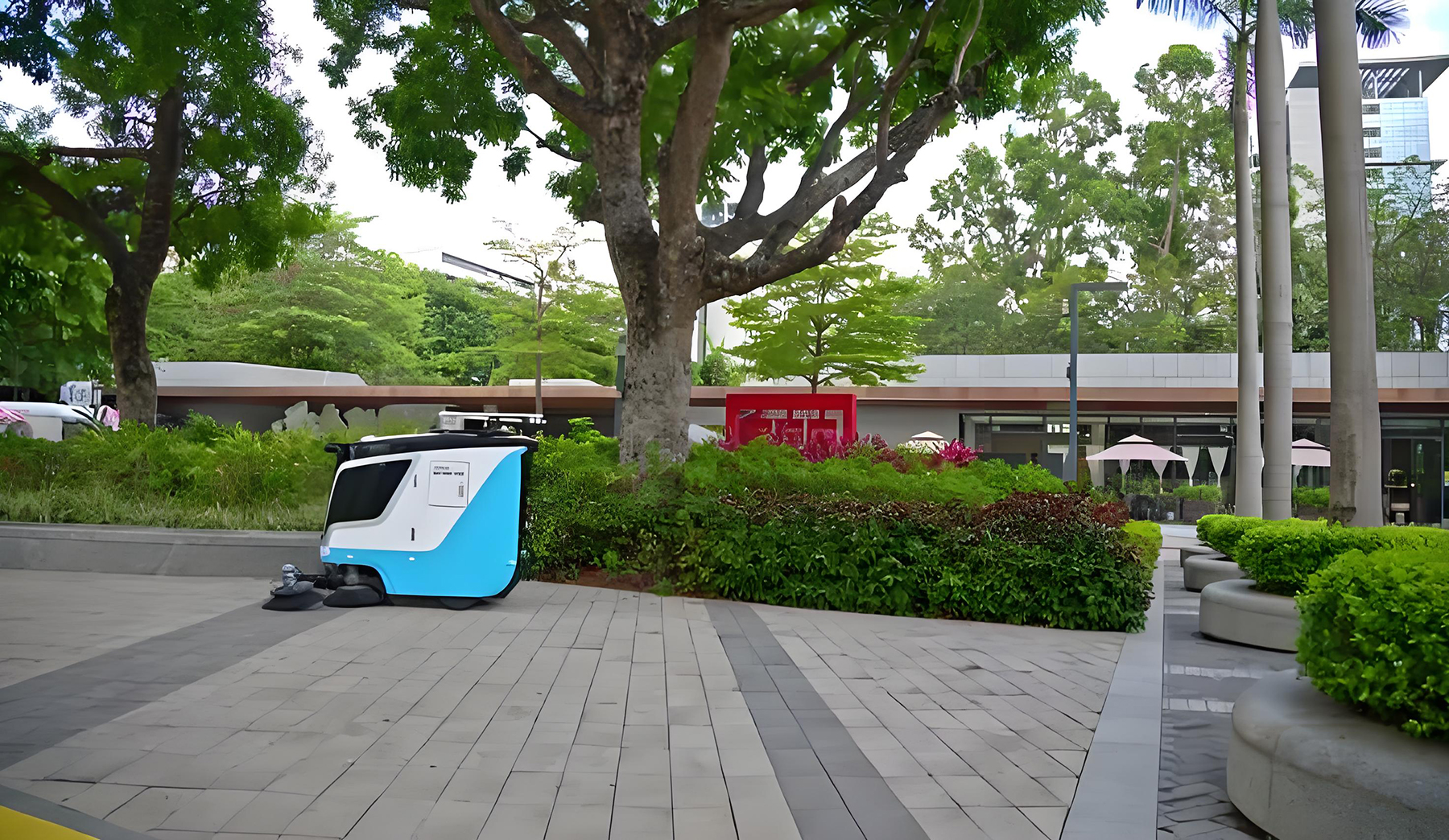
For enterprises evaluating wireless charging solutions for unmanned cleaning vehicles in outdoor scenarios, it is recommended to focus on three indicators: offset tolerance (how much deviation is allowed in the horizontal/vertical direction), protection level (at least IP65 is required), and whether there are real outdoor long-term operation cases for verification. These three conditions are all indispensable.
 AGV/AMR Manufacturing Wireless Charging Solution
Inspection Robot Wireless Charging Solution
Mining Explosion-proof Wireless Charging Solution
Service Robot Wireless Charging Solution
Photovoltaic Robot Wireless Charging Solution
Outdoor Cleaning Robot Wireless Charging Solution
 Contact: Ms. Yang
 +86 18678901310
 luyu@wireless-power.com.cn
 801, 8th Floor, Building 1, Huizhiyuan, 117 Huizhiqiao Road, High-tech Zone, Qingdao,China
 WECHAT





 EN
EN

 +86 18678901310