

WIRELESS CHARGING IN THE NEWS
During the journey of explosion-proof robots venturing into high-risk restricted areas, we analyzed the core energy supply challenges they faced. When wired contact charging is halted due to safety taboos, the industry urgently needs a safer and more flexible energy supply method. This is precisely the moment when industrial-grade wireless charging technology makes its debut. With its inherent advantages of contactless operation, zero sparks, and high adaptability, it is becoming the ultimate solution to solve the battery life anxiety of explosion-proof robots and ushering in a new era of all-weather unmanned operation.
Traditional charging methods are like dancing in shackles in explosion-proof scenarios. The wear of charging contacts and the accumulation of oil stains leading to increased resistance not only affect efficiency but also pose a potential arc risk that is a safety red line. Wireless charging technology, especially the advanced solution based on the principle of magnetic coupling resonance, fundamentally eliminates this risk. The principle is to transmit energy through the magnetic field resonance of the coils at the transmitting and receiving ends. The entire energy transmission channel has no exposed metal contacts, physically eliminating the generation of electric sparks. This is a key breakthrough in ensuring intrinsic safety for mines filled with methane and coal dust or chemical industrial parks permeated with volatile gases.
As a domestic enterprise deeply engaged in the industrial-grade wireless charging field, the solution provided by WIRELESSPT is a typical representative of this technology. Our explosion-proof series of wireless charging systems can have the receiving end integrated into the robot body and the transmitting end embedded in the ground or workstation. When the robot's battery level drops to the threshold, it can automatically cruise to the charging area without any precise mechanical docking. Within a certain range of horizontal and vertical tolerances, it can automatically recognize and start charging. The entire process is fully automated without the need for human intervention, truly achieving "contactless energy replenishment".
In addition to its core safety advantages, this technology has also brought about a significant improvement in the operation and maintenance efficiency of explosion-proof robots:
1. High reliability and maintenance-free operation: The absence of physical contact means no mechanical wear or oxidation issues. The system features a high protection level of IP67 or above, capable of withstanding high humidity, high dust and corrosive environments, ensuring stable operation under extreme working conditions and significantly reducing maintenance frequency and costs.
2. Enhance equipment online rate: By integrating with the robot dispatching system, flexible and fragmented on-demand charging can be achieved, eliminating the need for robots to be offline for battery swapping for long periods. This maximizes effective operation time and ensures the continuity and smoothness of the production process.
3. Intelligent integration: The wireless charging system can serve as a node of the entire Internet of Things, uploading real-time charging status and energy consumption data, providing a data foundation for predictive maintenance and energy efficiency optimization management.
At present, this technology is no longer just a laboratory concept but has been verified in harsh industrial Settings. For instance, in the underground inspection robot project of a large coal mining group, the wireless charging equipment achieved a full "zero-spark" automatic charging demonstration in the simulated tunnel, successfully solving the long-standing charging safety problem in this scenario and enabling the underground robot to achieve autonomous "seamless endurance" for the first time.
From safety and explosion-proof to high efficiency and reliability, wireless charging technology is redefining the working boundaries of explosion-proof robots. It is not merely a simple energy supply tool, but also a key infrastructure that drives high-risk scenarios towards full intelligence and unmanned operation.
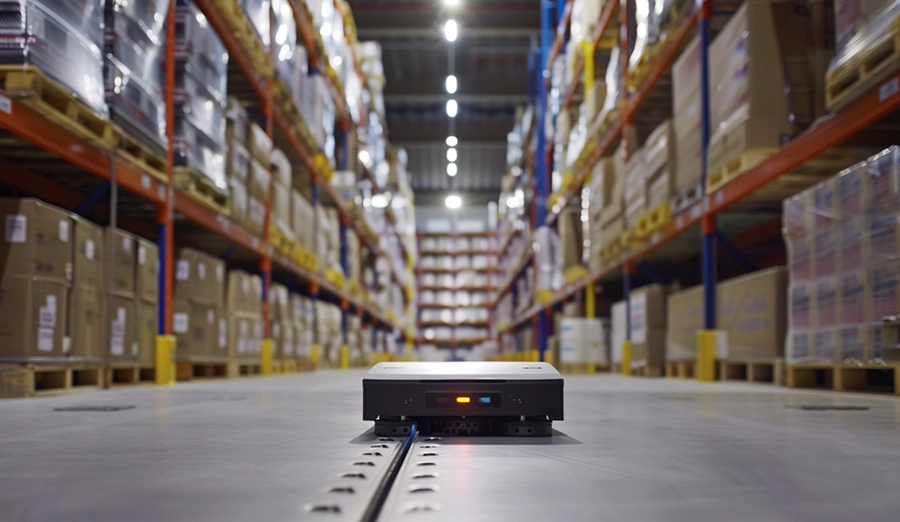


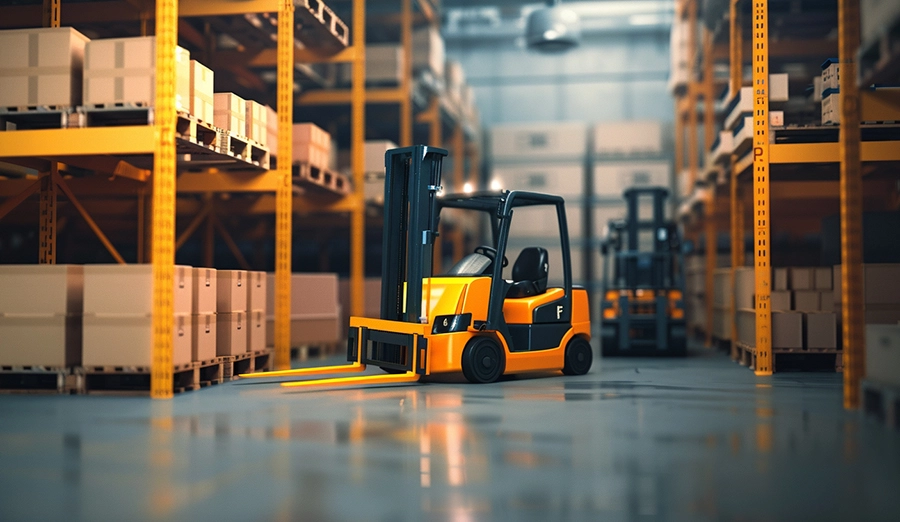
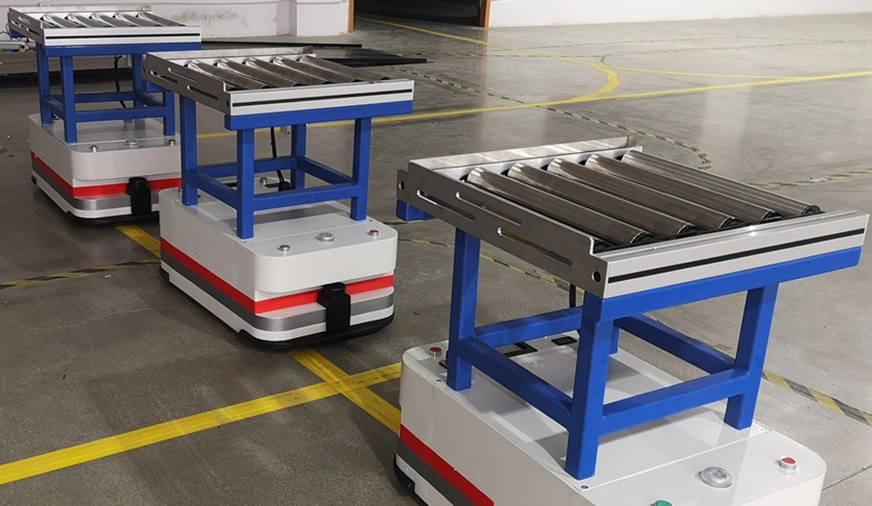
 AGV/AMR Manufacturing Wireless Charging Solution
Inspection Robot Wireless Charging Solution
Mining Explosion-proof Wireless Charging Solution
Service Robot Wireless Charging Solution
Photovoltaic Robot Wireless Charging Solution
Outdoor Cleaning Robot Wireless Charging Solution
 Contact: Ms. Yang
 +86 18678901310
 luyu@wireless-power.com.cn
 801, 8th Floor, Building 1, Huizhiyuan, 117 Huizhiqiao Road, High-tech Zone, Qingdao,China
 WECHAT





 EN
EN

 +86 18678901310